

 English
  русский
  Español
  عربى
عربى 
Cepillo para biberones: ¿puede un cepillo llegar a cada parte de la alimentación?
Fecha:Sep 04, 2026
Los equipos de alimentación para bebés rara vez tienen una única superficie lisa. Los cuerpos de los biberones, las roscas del cuello, las tetinas, las válvulas, los collares, los respiraderos y las aberturas estrechas pueden acumular residuos de leche. Formas tan variadas plantean una pregunta importante sobre el producto: ¿se puede cepillo para biberones ¿Maneja cada pieza lavable o cada componente requiere una estructura de cepillo diferente?
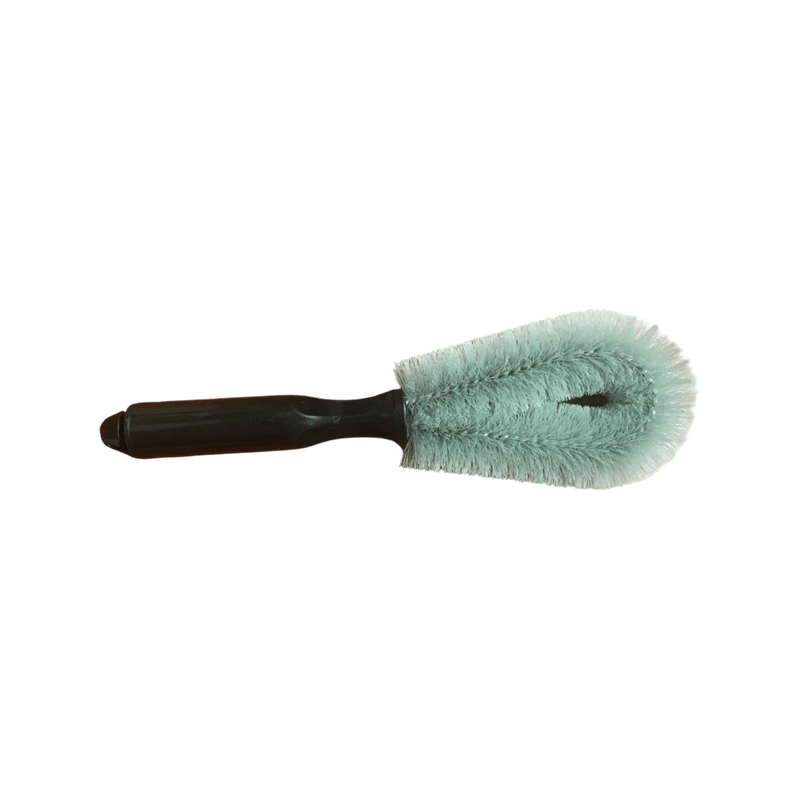
1. Los cuerpos de las botellas necesitan una amplia cobertura de limpieza
El cuerpo principal de la botella generalmente requiere un cabezal de cepillo con suficiente ancho para hacer contacto con las paredes interiores sin dejar de llegar al fondo. Las botellas altas también necesitan una longitud de mango suficiente para que el usuario pueda alcanzar la base sin colocar la mano profundamente dentro del recipiente.
- Mango largo: Un mango de alrededor de 250 a 310 mm puede proporcionar un alcance útil para biberones más altos.
- Cuello flexible: La flexibilidad moderada ayuda a que la cabeza siga las paredes curvas de la botella y las áreas de los hombros.
- Perfil de cepillo redondeado: Una cabeza curva o cónica puede mejorar el contacto alrededor de la base de la botella.
La geometría del cepillo es importante porque una cabeza ancha puede limpiar la pared central fácilmente, pero tiene problemas con los hombros estrechos. Un perfil cónico proporciona una mejor transición entre superficies amplias y áreas restringidas.
2. Dimensiones del cabezal del cepillo de prueba de cuellos estrechos
Las botellas de cuello estrecho crean un desafío diferente. El cepillo debe pasar a través de la abertura manteniendo suficiente contacto con la superficie para eliminar los residuos. Un diámetro excesivo de la cabeza puede restringir el movimiento, mientras que una cabeza de tamaño insuficiente puede dejar secciones de la pared interior intactas.
Por lo tanto, muchos cepillos para biberones modernos utilizan cabezales delgados o flexibles. Una sección flexible puede ayudar a que la punta de limpieza se mueva alrededor del cuello y llegue a áreas directamente debajo de la abertura. Los diseños de productos también pueden combinar aletas de silicona suave con cerdas de nailon para equilibrar la flexibilidad y el fregado mecánico.
3. Los pezones requieren un elemento de limpieza más pequeño
Los pezones son difíciles de limpiar con un cepillo convencional de tamaño completo. Las pequeñas aberturas, pliegues y canales internos requieren una punta mucho más estrecha. Un cepillo para pezones exclusivo puede medir sólo unos pocos milímetros de ancho, lo que le permite entrar en espacios restringidos sin una presión excesiva.
Algunos cepillo para biberones Los diseños integran un limpiador de detalles en el mango o base. Esta estructura 2 en 1 mantiene la pequeña herramienta disponible sin necesidad de una ubicación de almacenamiento separada. Las puntas de silicona también se utilizan para componentes de alimentación delicados porque el contacto flexible puede reducir el riesgo de rayar o dañar las superficies blandas.
4. Las válvulas y respiraderos necesitan precisión
Los sistemas anticólicos y los accesorios de alimentación pueden contener pequeñas válvulas, respiraderos o insertos. Sus canales internos pueden ser mucho más estrechos que la abertura de la botella. Un cepillo de tamaño completo no puede llegar de manera confiable a estas estructuras.
- Pincel de punta fina: Útil para aberturas estrechas y canales pequeños.
- Núcleo de alambre flexible: Ayuda a un pincel de detalles a navegar por las secciones internas curvas.
- Fibras finas de silicona o nailon: Proporcione contacto alrededor de aberturas pequeñas sin necesidad de un cabezal voluminoso.
Algunos specialized cleaning brushes use extremely fine bristles for openings around 1 mm, showing how different the dimensions of feeding components can be compared with the main bottle body.
5. La elección del material cambia la sensación de limpieza
El material del cepillo también influye en cómo interactúa el producto con las superficies de las botellas. Las cerdas de silicona son flexibles y no rayan, mientras que las fibras de nailon pueden proporcionar un contacto mecánico más fuerte contra los residuos de leche en polvo. Los cabezales de cepillo híbridos combinan estas características en la misma herramienta de limpieza.
Los diseños de productos suelen utilizar silicona para puntas flexibles y limpiadores de detalles, mientras que las cerdas sintéticas más densas pueden proporcionar una fuerza de fregado adicional. Algunos cabezales de cepillo también combinan secciones de esponja y cerdas para cubrir diferentes condiciones de residuos.
6. Una manija puede admitir múltiples funciones de limpieza
Un mango multifuncional puede hacer una cepillo para biberones Más práctico para las rutinas de alimentación diarias. El cabezal principal puede cubrir el cuerpo del biberón, mientras que una punta más pequeña, desmontable o integrada, maneja las tetinas y otros espacios reducidos.
- Cabezal principal para paredes y bases de botellas.
- Punta pequeña para pezones y aberturas estrechas
- Cuello flexible para secciones de botella curvas
- Agarre antideslizante para operación con manos mojadas
- Lazo para colgar o base vertical para almacenamiento posterior al uso
Tales configuraciones muestran que "un cepillo" no significa necesariamente "un cabezal de cepillo". Un mango cuidadosamente diseñado puede combinar dos o más elementos de limpieza manteniendo compacto el producto general.
¿Puede un cepillo para biberones realmente cubrir todas las partes?
La respuesta depende del sistema de alimentación y de la arquitectura del cepillo. Las botellas estándar se pueden limpiar bien con un cepillo principal que tiene una punta detallada integrada. Es posible que las botellas que tienen sistemas de ventilación, válvulas estrechas, pajitas o varios insertos aún necesiten cepillos en miniatura específicos.
Eso significa que el diseño del cepillo para biberones no se trata de agregar cerdas. Se trata de adaptar cada superficie de limpieza al tamaño del cabezal, la flexibilidad, el material y el alcance. Un producto diseñado puede limpiar muchos componentes de la alimentación manteniendo el proceso de limpieza simple y organizado.
Un producto diseñado puede cubrir una amplia gama de componentes de alimentación y al mismo tiempo mantener el proceso de limpieza simple y organizado.
Artículos recomendados
 CONTÁCTENOS
- DATOS DE CONTACTO
- Dirección: No. 1388 Calle Cuntong, Ciudad de Jinhua
- Teléfono: +86-0579-81534043
- Correo electrónico:wangjinhua1@zjjqsj.com
- PRODUCTOS
- Artículos de limpieza de cocina
- Artículos de limpieza para el hogar
- Artículos de limpieza para interiores y exteriores
- Productos para bebés y artículos de limpieza
- Contenedores de almacenamiento para el hogar
- CENTRO DE NOTICIAS
- Noticias de la empresa
- Noticias de la industria
- TERMINAL MÓVIL

